
The freight brokerage industry has undergone a transformation over the past few decades, with advancements in technology and shifts in consumer expectations driving new approaches to logistics and shipping. For beginners looking to enter this exciting field, understanding the fundamentals of freight brokerage is essential. This guide breaks down what a freight broker does, the key players in the industry, the regulatory landscape, and tips for success.
What is a Freight Broker?
A freight broker acts as an intermediary between shippers who need to transport goods and carriers who have the capacity to move them. By connecting these two parties, freight brokers facilitate the shipping process, helping to streamline logistics while ensuring that shipments are completed efficiently and cost-effectively.
In essence, freight brokers harness their industry knowledge, relationships, and market analysis to match cargo with the appropriate carrier, taking into consideration factors such as cost, speed, and shipment type.
The Role of a Freight Broker
The primary responsibilities of a freight broker include:
- Negotiating Rates: Brokers negotiate shipping costs with both shippers and carriers, aiming to find a price that meets the needs of both parties.
- Managing Documentation: Brokers handle essential shipping documents, including bills of lading, freight invoices, and customs paperwork.
- Tracking Shipments: Keeping tabs on load status and ensuring timely deliveries is vital, especially for perishable goods or time-sensitive shipments.
- Building Relationships: Successful brokers cultivate relationships with shippers and carriers to enhance reliability and service quality.
Key Players in the Freight Brokerage Landscape
The freight brokerage industry consists of various entities, each playing a unique role. Understanding these players is crucial for beginners:
1. Shippers
Shippers are businesses or individuals who need to transport goods. They can range from manufacturers to retailers and often seek brokers to minimize logistics costs and simplify supply chain management.
2. Carriers
Carriers are transportation companies or individuals who physically move the cargo. This includes trucking companies, railroads, and shipping lines. Carriers depend on brokers to find and secure loads for transport.
3. Freight Brokers
As the intermediaries, freight brokers connect shippers with carriers. They charge a fee or commission for their services, typically a percentage of the freight cost.
The Regulatory Landscape
Freight brokers operate under various federal and state regulations. In the United States, the Federal Motor Carrier Safety Administration (FMCSA) governs the activities of freight brokers. Before becoming a freight broker, one must obtain a broker authority license, also known as an Operating Authority.
Key Regulatory Steps:
- Obtain a Broker’s License: This involves completing an application process and demonstrating knowledge of freight brokerage operations.
- Secure a Surety Bond or Trust Fund: Freight brokers are required to have a minimum $75,000 surety bond, protecting shippers and carriers from potential losses.
- Register for a USDOT Number: This number is essential for identifying businesses operating in commercial transport.
Technology in Freight Brokerage
The rise of technology has seriously influenced the freight brokerage landscape, offering tools that streamline operations and improve efficiency. Awareness of these technologies is vital for beginners:
1. Freight Matching Platforms
Online platforms and load boards help brokers find carriers more quickly and efficiently by displaying available loads and carriers’ capacities. Examples include DAT Freight & Analytics and Truckstop.com.
2. Transportation Management Systems (TMS)
A TMS integrates various elements of freight brokerage, from rate negotiation to shipment tracking, into a single platform, making the management process smoother.
3. Data Analytics
Using data analytics, brokers can evaluate shipment trends, optimize routes, and enhance pricing strategies. Analysis of real-time data improves decision-making and operational efficiency.
Tips for Success as a Freight Broker
Success in the freight brokerage field relies on various strategies and best practices. Here are some tips for beginners:
1. Build Strong Relationships
The freight brokerage industry values trust and reliability. Cultivating strong relationships with both shippers and carriers will differentiate you from competitors and help you secure consistent business.
2. Stay Informed about Industry Trends
Continuous learning is crucial. Stay updated about market trends, regulations, and technological advancements to enhance your competitive edge.
3. Leverage Technology
Utilize modern software tools and platforms to automate processes and improve efficiency. Embracing technology can save time and reduce errors in operations.
4. Focus on Customer Service
Exceptional customer service can lead to repeat business. Be proactive in addressing issues and maintaining clear communication with all parties involved in the shipping process.
Conclusion
Navigating the freight brokerage landscape can be challenging, especially for beginners. However, with an understanding of the foundational elements, regulatory requirements, key players, and effective strategies, aspiring brokers can carve out a successful career in this dynamic industry. By leveraging technology and focusing on relationships, new brokers can not only survive but thrive in the competitive world of freight brokerage.
Download the App

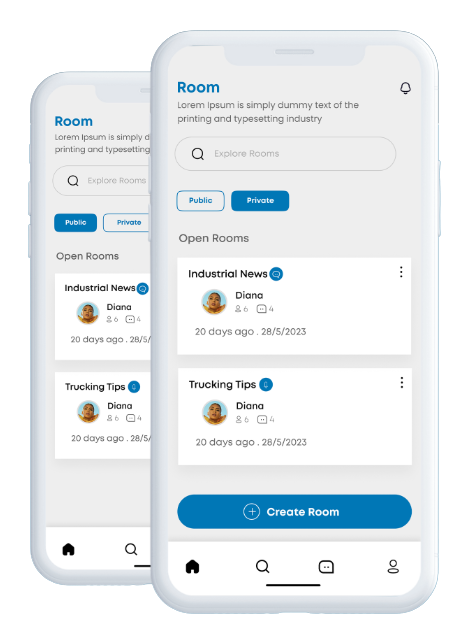
Start connecting with other truckers right now. TruckerCircle is completely free and easy to use. All it takes is a few taps to join the only voice-first trucking community designed to keep drivers in touch across the miles.