
The trucking industry is vital to the economy, transporting goods across vast distances. However, this vital service comes with significant responsibilities, particularly concerning road safety. The Federal Motor Carrier Safety Administration (FMCSA) has established strict Hours of Service (HOS) regulations designed to prevent driver fatigue, accidents, and ensure the safety of drivers and the public.
What Are Hours of Service Regulations?
Hours of Service regulations outline the maximum driving hours for commercial truck drivers and the mandatory rest periods they must adhere to. These rules are essential in minimizing the risks associated with driving long hours, such as decreased reaction times and impaired decision-making capabilities.
The Key Components of HOS Regulations
1. Driving Time Limits
Drivers are subject to specific driving limits, primarily:
- Drivers cannot drive more than 11 hours after 10 consecutive hours off duty.
- Drivers cannot drive after being on duty for 14 hours, which includes time spent on loading, unloading, and other responsibilities.
- After working for 60/70 hours in a 7/8-day period, drivers must take a 34-hour rest period before they can drive again.
2. Required Rest Periods
Rest periods are crucial to ensure that drivers remain alert and safe. The FMCSA mandates:
- A minimum of 30 minutes of rest after 8 cumulative hours of driving.
- A minimum of 10 consecutive hours off duty before beginning another shift.
Regulation Compliance and Logging
To enforce compliance, drivers are required to maintain detailed logs. Traditionally, this was done using paper logs, but many are now adopting Electronic Logging Devices (ELDs).
These devices automatically record driving time and help prevent violations of HOS regulations. They can also generate reports that are useful for audits and inspections.
Exceptions and Special Conditions
While the HOS regulations apply broadly, there are exceptions for certain types of operations:
1. Short-Haul Exemption
Drivers who operate within a 150-air-mile radius and return to their starting location within 14 hours may not be required to maintain a logbook.
2. Adverse Conditions
In cases of unforeseen adverse conditions (like severe weather), drivers may extend their driving hours by up to 2 hours but must log the reason for the extension.
The Importance of Compliance
Compliance with HOS regulations is not just a legal obligation but also a moral imperative. Driver fatigue is a leading cause of truck-related accidents. By adhering to HOS rules, trucking companies can:
- Enhance overall safety on the roads.
- Decrease the risk of accidents due to driver fatigue.
- Generate positive customer relationships through reliable scheduling.
Consequences of Non-Compliance
Failure to comply with HOS regulations can lead to severe penalties, including:
- Fines for the driver and the trucking company.
- Increased scrutiny from regulatory bodies.
- Possible suspension of driving privileges.
Best Practices for Truck Drivers
To navigate the complexities of HOS regulations successfully, truck drivers should:
- Utilize ELDs for accurate logging and monitoring.
- Plan trips with consideration of rest breaks and driving limits.
- Stay informed regarding any changes in regulations.
Future of HOS Regulations
As the trucking industry evolves, there are discussions about the potential reform of HOS regulations. Advocates suggest that more flexible hours might better accommodate modern logistics demands while preserving safety. However, ensuring driver health and safety will always remain a priority in regulatory considerations.
Conclusion
Navigating the landscape of trucking hours of service regulations is essential for every driver in the industry. Understanding and adhering to these rules enhances safety, compliance, and ultimately, the well-being of everyone on the road. Whether a seasoned professional or a newcomer, staying informed about HOS regulations is critical for success in the trucking business.
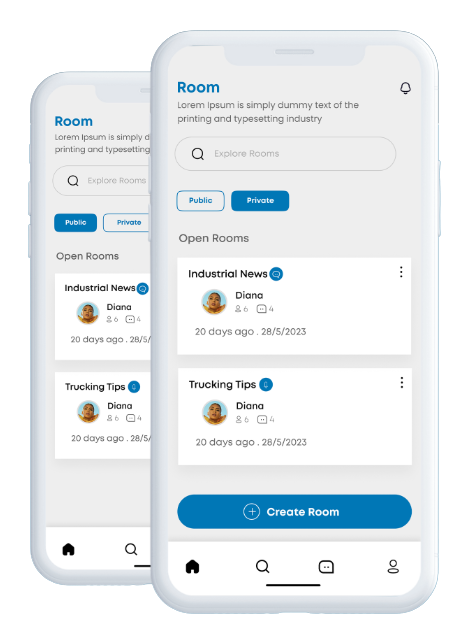
Download the App

Start connecting with other truckers right now. TruckerCircle is completely free and easy to use. All it takes is a few taps to join the only voice-first trucking community designed to keep drivers in touch across the miles.