
For many, being a truck driver is not just a job; it’s a lifestyle. These road warriors face unique challenges daily—from long hours spent on the highway to managing the physical demands of their job. With statistics revealing that over 3 million truck drivers are currently employed in the United States alone, it becomes increasingly important to prioritize their health and well-being. Below are essential self-care tips tailored specifically for those who make the highways their second home.
1. Nutrition on the Go
Maintaining a balanced diet is crucial for truck drivers, who often find themselves at the mercy of convenience store snacks and fast food. The good news? Healthy eating is possible, even on the road. Here are some tips:
- Pack Your Own Meals: Prepare healthy meals before hitting the road. Options like grilled chicken, quinoa, mixed vegetables, and fruits can keep you full and energized.
- Snack Wisely: Instead of reaching for potato chips, consider nuts, yogurt, and protein bars. These provide essential nutrients and long-lasting energy.
- Stay Hydrated: Drink plenty of water throughout your trip. Dehydration can lead to fatigue, headaches, and decreased alertness.
2. Prioritize Physical Activity
Long hours spent in a truck can lead to a sedentary lifestyle, which poses health risks. Incorporating physical activity into your day is essential for both physical and mental well-being.
Aim for at least 30 minutes of exercise each day. Simple activities can make a significant difference:
- Stretching: Take 10 minutes every few hours to stretch. It helps improve circulation and reduce muscle tightness.
- Use Rest Stops Wisely: Take advantage of breaks by walking around, doing a few push-ups, or even engaging in yoga.
- Resistance Bands: These are compact and can easily fit in a truck, allowing you to do strength training anywhere.
3. Mental Health Matters
Driving for long periods can be mentally taxing. The isolation and monotony can lead to issues such as stress, anxiety, and even depression. It’s vital to incorporate practices that promote mental well-being:
- Connect with Others: Maintain relationships by using technology. Regularly call or video chat with family and friends to combat loneliness.
- Mindfulness and Meditation: Consider incorporating mindfulness techniques or meditation into your routine to reduce stress. There are several apps available that can guide you through quick sessions.
- Set Small Goals: Each day, set achievable goals for yourself—whether it be distance driven, healthy meals consumed, or exercise completed.
4. Sleep Hygiene is Key
Sleep deprivation is rampant among truck drivers, affecting alertness and overall health. Good sleep hygiene can make a significant difference:
- Create a Sleep Schedule: Aim to go to bed and wake up at the same time daily, even on days off, to regulate your body’s clock.
- Make the Most of Rest Areas: Utilize rest areas designated for truck drivers. Ensure your sleeping environment is as comfortable and dark as possible.
- Avoid Stimulants: Limit caffeine intake and avoid heavy meals before sleeping to improve sleep quality.
5. Stay Informed about Health Risks
Being aware of the health risks associated with a trucking career enables preventive care. Regular check-ups and understanding your health metrics can drastically mitigate adverse effects.
- Regular Health Screenings: Keep up with pertinent health assessments like blood pressure, cholesterol levels, and glucose levels.
- Educate Yourself: Stay informed about common health issues faced by truck drivers, such as sleep apnea, obesity, and cardiovascular disease.
- Visit Healthcare Professionals: Don’t hesitate to seek medical advice or treatment when necessary, especially if you notice concerning symptoms.
6. Invest in Ergonomics
Driver comfort can have a significant impact on physical health. Small adjustments to your truck’s environment can yield big benefits.
- Invest in a Quality Seat: A well-cushioned, supportive seat can drastically improve your long driving hours.
- Utilize Seat Adjustments: Ensure that your seat is adjusted to support the natural curvature of your spine.
- Consider Additional Support: Use lumbar rolls or cushions that help maintain proper posture while driving.
Conclusion
Being a truck driver is both rewarding and challenging. Prioritizing self-care is crucial for longevity in this demanding job, not only to ensure personal health but to enhance job performance. By taking proactive steps towards nutrition, physical activity, mental wellness, sleep hygiene, awareness of health risks, and investing in ergonomics, truck drivers can transform their lives behind the wheel. Remember, every road warrior deserves the best care—both on and off the road.
Download the App

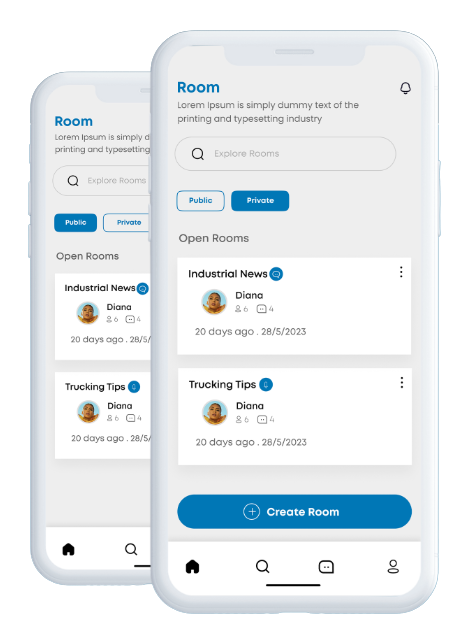
Start connecting with other truckers right now. TruckerCircle is completely free and easy to use. All it takes is a few taps to join the only voice-first trucking community designed to keep drivers in touch across the miles.