
In the trucking industry, where long hours on the road and tight schedules reign supreme, the importance of quality sleep often takes a backseat. Yet, the consequences of sleep deprivation can be dire, not only for the driver but also for everyone sharing the road. Understanding the relationship between sleep and safety is paramount for truck drivers aiming to perform at their best.
The Sleep Crisis in Trucking
According to the National Highway Traffic Safety Administration (NHTSA), drowsy driving is responsible for thousands of accidents each year, many of which involve commercial trucks. The Federal Motor Carrier Safety Administration (FMCSA) highlights that approximately 13% of all large truck crashes involve driver fatigue. For truck drivers, who typically work irregular hours and manage tight deadlines, achieving adequate sleep can be a significant challenge.
The Centers for Disease Control and Prevention (CDC) report that 1 in 3 adults do not get enough sleep, which can lead to various health issues such as obesity, diabetes, and cardiovascular diseases. This is particularly concerning for truck drivers, whose profession demands high levels of alertness and focus.
Understanding Sleep Cycles
Before diving into solutions for better sleep, it’s essential to understand how sleep works. The human brain cycles through different stages of sleep, moving between REM (Rapid Eye Movement) and non-REM sleep. Non-REM sleep consists of three stages, ranging from light sleep to the deep and restorative sleep that is crucial for recovery.
- Stage 1: Light sleep where one drifts in and out.
- Stage 2: Onset of true sleep, where brain activity slows down.
- Stage 3: Deep sleep, crucial for recovery and feeling refreshed.
Truck drivers should aim for 7 to 9 hours of quality sleep per night to allow their body to cycle through these stages multiple times.
Creating the Ideal Sleep Environment
Creating an environment conducive to sleep is crucial for truck drivers who often have to nap in their trucks or at rest stops. Here are some tips to enhance the sleep environment:
- Darkness: Invest in blackout curtains or blinds and use sleep masks to block out excess light.
- Quiet: Use earplugs or white noise machines to minimize noise disturbances, which can interrupt sleep cycles.
- Comfort: Ensure your sleeping area is comfortable, with a supportive mattress and pillows geared toward your sleep position.
- Temperature: Keep the sleeping area cool, as a cooler environment is generally more conducive to sleep.
Building a Sleep Routine
Establishing a regular sleep schedule is vital for ensuring quality shut-eye. Here are steps truck drivers can take to build a healthy sleep routine:
- Consistent Sleep Schedule: Try to go to bed and wake up at the same time every day, even on days off, to regulate your body’s internal clock.
- Wind Down Before Sleep: Develop a pre-sleep routine that might include reading, stretching, or meditation to signal to your body that it’s time to wind down.
- Avoid Stimulants: Stay away from caffeine and nicotine at least a few hours before bedtime. Similarly, be cautious with alcohol, which, although it may help you fall asleep, can disrupt your sleep later in the night.
Power Naps: A Truck Driver’s Best Friend
Power naps can be an essential tool for truck drivers facing long hours on the road. A short nap, anywhere from 10 to 30 minutes, can significantly improve alertness and performance. This technique is often referred to as a “strategic nap.”
Research suggests that a brief nap can help alleviate fatigue, but timing is crucial. Naps taken during the late afternoon or early evening may disrupt nighttime sleep. However, short naps during regular breaks can help drivers recharge.
Nutrition and Hydration
What you consume can significantly impact your sleep quality. Heavy meals close to bedtime can lead to discomfort and a restless night. Instead, consider these tips:
- Small Meals: Eat smaller, balanced meals throughout the day to avoid heavy digestion at night.
- Hydration: Stay hydrated, but limit fluid intake in the couple of hours leading up to bedtime to avoid nighttime trips to the bathroom.
- Sleep-Inducing Foods: Incorporate sleep-friendly foods like bananas, almonds, and oats, which can help promote relaxation.
Leveraging Technology for Better Sleep
In today’s tech-savvy world, various apps and devices can help monitor sleep patterns and improve sleep quality. Sleep tracking devices can provide insights into your sleep cycles and help establish a more effective routine. Popular sleep apps offer white noise options, meditation guides, and tailored suggestions for sleep improvement.
Final Thoughts
For truck drivers, prioritizing sleep is not just a matter of personal health—it’s a critical safety issue. By understanding sleep cycles, creating a conducive sleeping environment, developing a routine, and leveraging tools for better sleep, drivers can significantly enhance their alertness and performance on the road. After all, when you sleep smarter, you drive safer.
Investing time in sleep is an investment in safety, health, and overall well-being. The road is long, but with quality sleep, it can be navigated more safely and effectively. Start implementing these tips today and embrace the journey ahead.
Download the App

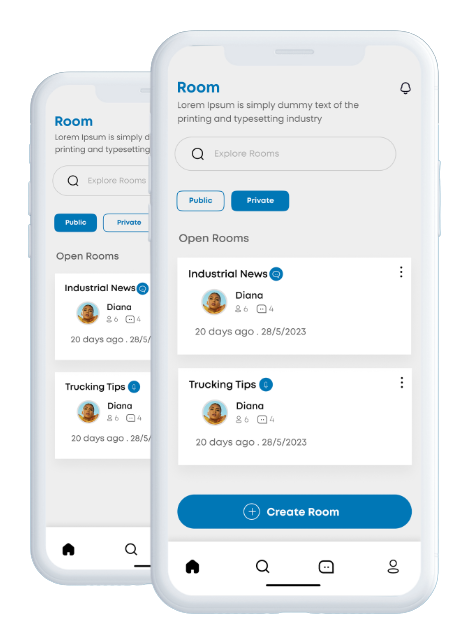
Start connecting with other truckers right now. TruckerCircle is completely free and easy to use. All it takes is a few taps to join the only voice-first trucking community designed to keep drivers in touch across the miles.