
Trucking insurance is a vital component for operators in the freight industry, providing essential protection against a myriad of risks. However, understanding the costs and structure of truck insurance can be complex. In this article, we’ll explore the factors influencing trucking insurance costs, types of coverage available, and tips on how to manage and potentially reduce these expenses.
The Importance of Trucking Insurance
Trucking insurance serves to protect business owners and operators from liabilities and damages resulting from accidents, theft, or other unforeseen events on the road. With the increasing number of regulations and the risks associated with transporting goods, having comprehensive insurance is not just advisable—it’s mandatory in many jurisdictions.
Types of Trucking Insurance
1. Liability Insurance
Mandatory in most states, liability insurance covers damages and injuries that the insured may cause to other people or property during the operation of a commercial vehicle. The two main types are:
- Bodily Injury Liability: Covers costs associated with injuries to third parties.
- Property Damage Liability: Covers damages to someone else’s property.
2. Physical Damage Insurance
This coverage protects your own truck in the event of physical damage due to accidents, theft, vandalism, or natural disasters. It typically includes:
- Collision Coverage: For damages resulting from a collision with another vehicle or object.
- Comprehensive Coverage: For damages not involving a collision, such as theft or weather-related incidents.
3. Cargo Insurance
Protecting your cargo is critical; cargo insurance covers loss or damage to goods while in transit. The coverage can vary depending on the nature of the cargo and terms of transport.
4. Comprehensive and Collision Coverage
These two types of physical damage insurance often go hand-in-hand. They cover the carrier’s truck for different types of incidents that could lead to substantial losses, thus providing peace of mind to operators.
5. Workers’ Compensation Insurance
If you employ drivers, workers’ compensation is vital. It covers medical expenses and lost wages for employees injured while on the job, adding another layer of financial protection for your business.
Factors Affecting Trucking Insurance Costs
Several factors influence the overall cost of trucking insurance. Understanding these can help owners make informed decisions and manage expenses effectively.
1. Type of Cargo
The nature of the cargo being transported plays a significant role in determining insurance premiums. High-value or hazardous materials may lead to higher premiums due to the increased risk involved.
2. Trucking Company Size and Operations
Smaller fleets generally pay more per truck compared to larger fleets. Larger businesses can negotiate better rates because they present a lower risk profile. Furthermore, the company’s operations, including the type of routes taken (urban vs. rural) and distance traveled, also affect premiums.
3. Driver Experience
Insurance companies will assess the experience level of the drivers. Experienced, safe drivers generally lead to lower premiums compared to newer, less experienced drivers, who may present a higher risk.
4. Claims History
A company’s past claims history significantly impacts its insurance costs. Frequent claims can result in higher premiums, while a clean record may qualify for discounts.
5. Vehicle Age and Condition
The age and condition of the trucks being used also matter. Newer vehicles equipped with modern safety features can reduce insurance premiums, while older vehicles tend to attract higher rates due to their increased likelihood of breakdowns and accidents.
How to Manage Trucking Insurance Costs
While trucking insurance is essential, its costs can be managed. Here are a few strategies to consider:
1. Shop Around
It’s important to compare quotes from multiple insurance providers. Different companies may offer different rates for the same coverage, so exploring various options can yield substantial savings.
2. Increase Deductibles
Elevating deductibles can lower your premiums. However, ensure that your business can afford the higher out-of-pocket costs in the event of a claim.
3. Invest in Safety Training
Providing safety training for drivers can reduce the likelihood of accidents and claims, leading to potential discounts from insurance providers.
4. Maintain Fleet and Equipment
Regular maintenance of vehicles ensures their roadworthiness, which could lower accident rates and, in turn, insurance costs. Safe, well-maintained vehicles are appealing to insurance underwriters.
5. Consider Bundling Policies
Bundling trucking insurance with other types of business insurance could qualify for discounts. Consult with your insurance agent to explore these options.
Conclusion
Understanding trucking insurance is crucial for operators in the freight industry. The costs associated with coverage, driven by various factors, can be significant. However, by being informed and proactive, trucking businesses can manage these expenses, ensuring they have the necessary protection without breaking the bank. Remember, the right insurance not only safeguards your assets but also strengthens the foundation of your business.
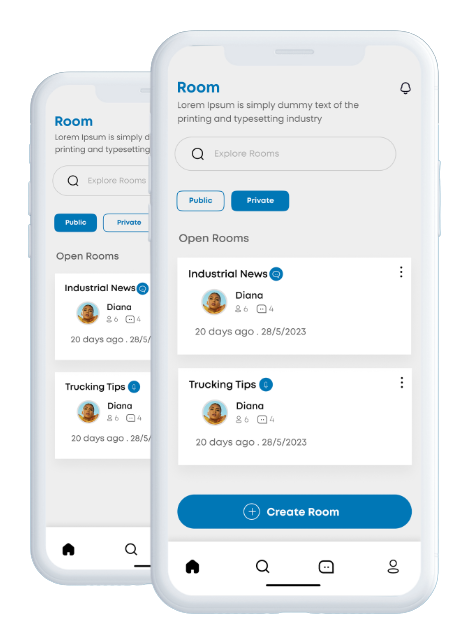
Download the App

Start connecting with other truckers right now. TruckerCircle is completely free and easy to use. All it takes is a few taps to join the only voice-first trucking community designed to keep drivers in touch across the miles.