
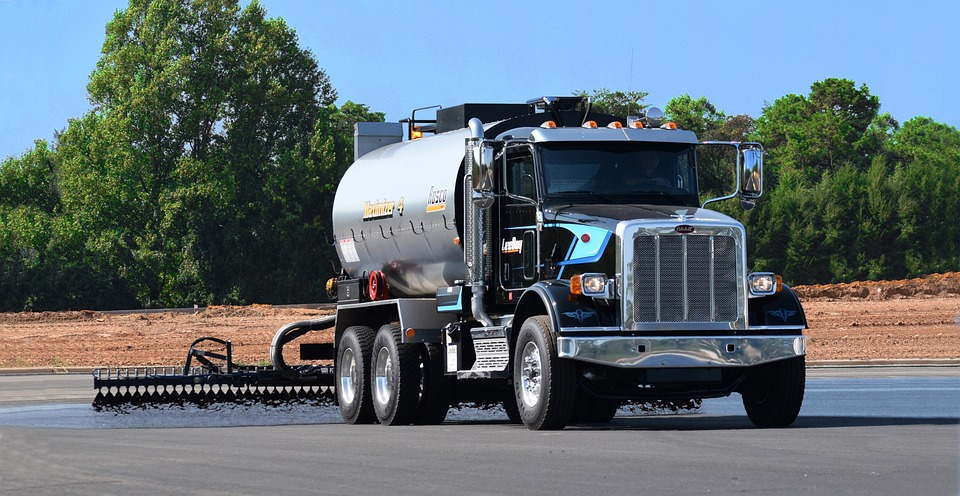
The trucking industry is at a crucial crossroads marked by stringent regulatory scrutiny and evolving enforcement practices. As the backbone of the U.S. economy, trucking is essential for transporting goods across vast distances. However, safety concerns, environmental impacts, and technological advances are prompting regulatory changes that have far-reaching implications for the sector. Recent updates highlight rigorous efforts by the Federal Motor Carrier Safety Administration (FMCSA) and other regulatory bodies aimed at enhancing safety and compliance in this critical industry.
Heightened Compliance and Safety Standards
In recent years, the FMCSA has ramped up its enforcement actions against trucking companies, implementing stricter compliance measures that emphasize safety and operational efficiency. Initiatives like the Compliance, Safety, Accountability (CSA) program have illuminated unsafe practices among carriers, leading to increased scrutiny on their day-to-day operations.
According to data from the FMCSA, more than 85,000 inspections were conducted in the first quarter of 2023 alone, with a notable uptick in violations related to driver fatigue and vehicle maintenance. This push for safety is a response to alarming statistics: in 2021, large trucks were involved in over 5,000 fatal crashes, underscoring the critical need for greater accountability in the sector.
The Role of Technology
With technology transforming nearly every aspect of business, the trucking industry is no exception. Advanced tracking systems, electronic logging devices (ELDs), and AI-driven analytics are gaining traction to help improve safety and compliance. The FMCSA’s recent mandate requiring ELDs for all commercial drivers is a crucial step in this transition. ELDs help monitor driving hours, thereby reducing instances of driver fatigue—a significant contributor to accidents.
Furthermore, vehicle telematics—a suite of technologies that tracks vehicle location and performance—has become vital in the enforcement of regulations. Companies employing telematics showcase a marked reduction in incident reports, creating a safer road environment for both drivers and civilians alike.
Environmental Concerns and Regulatory Compliance
Another layer of scrutiny placed on the trucking industry arises from increasing environmental concerns. The trucking sector is responsible for a significant portion of greenhouse gas emissions, leading to calls for stricter emissions standards. States like California have instituted regulations aimed at phasing out older diesel trucks. Recent updates to the federal Clean Air Act are expected to follow a similar trajectory, which will require fleets to adopt cleaner technologies.
The push for sustainability is not just a regulatory response; consumer preferences are also shifting. Many businesses, especially those in retail, are now prioritizing suppliers who demonstrate strong environmental stewardship. As a result, trucking companies are being compelled not only to comply with regulations but also to invest in greener technologies and practices.
Financial Implications of Compliance
While the focus on safety and environmental regulations is noble, it comes with significant financial implications for trucking companies. Compliance costs—including ELD implementation, equipment upgrades, and regular maintenance—can strain smaller carriers. A recent survey by the American Trucking Associations found that nearly 65% of small fleets reported that compliance expenditures have affected their bottom lines.
Despite the financial burden, many industry experts argue that investments in safety and compliance measures pay off in the long run. Reduced accident rates can lead to fewer liabilities and lower insurance costs. Additionally, compliance can improve operational efficiency, ultimately boosting profitability.
Challenges for Owner-Operators
Owner-operators face unique challenges amid these recent enforcement updates. With the responsibility of managing both their trucks and compliance with regulatory standards, many are struggling to keep pace. The increased complexity of regulations necessitates better education and support systems.
The Owner-Operator Independent Drivers Association (OOIDA) has advocated for more accessible resources for owner-operators to navigate regulatory changes. This includes better training programs and tools to streamline compliance processes. The influx of technology could also alleviate some of these challenges, allowing owner-operators to manage their logistics more efficiently.
Looking Ahead: The Future of Trucking Compliance
As enforcement continues to tighten and technology evolves, the trucking industry must adapt. Industry experts believe we are on the cusp of transformative changes that will affect every aspect of trucking, from operations to compliance. The emphasis on safety, environmental standards, and technology integration will likely shape the future landscape of trucking.
While regulatory scrutiny may seem burdensome today, the ultimate goal remains a safer, more sustainable trucking industry. Stakeholders must work collaboratively to find a balance between compliance and operational viability. In the face of tightening regulations and the push for innovation, companies that embrace these changes proactively will likely thrive in this evolving landscape.
Conclusion
The trucking industry is undeniably facing challenges as it navigates increased scrutiny from regulatory bodies. Recent enforcement updates underscore the importance of safety, compliance, and environmental stewardship in shaping a more secure and sustainable future. While there may be financial implications and operational hurdles, the long-term benefits of embracing change—through technology and stringent compliance—are clear. The road ahead is complex, but the commitment to safety and sustainability will undoubtedly steer the trucking sector in a positive direction.
Source: [Federal Motor Carrier Safety Administration](https://www.fmcsa.dot.gov/)
Download the App

Start connecting with other truckers right now. TruckerCircle is completely free and easy to use. All it takes is a few taps to join the only voice-first trucking community designed to keep drivers in touch across the miles.


