
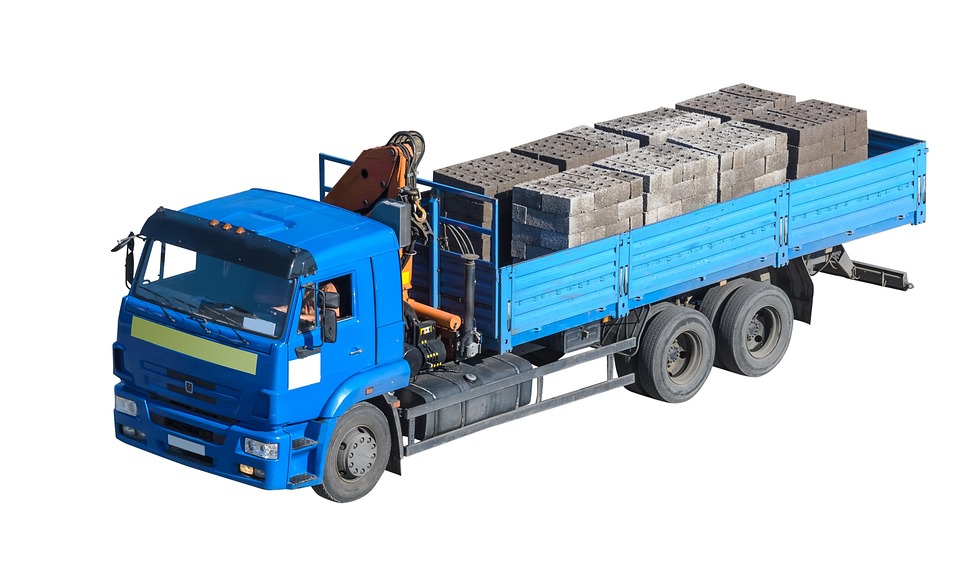
In a world dominated by technology, the significance of human interaction may seem diminished. Yet, when it comes to road safety and efficient vehicular communication, collaboration among drivers has never been more crucial. As we look at the road ahead, we discover that driver collaboration and feedback can transform the driving experience for all.
The Importance of Communication
Effective communication among drivers is foundational for maintaining road safety and harmony. With millions of vehicles sharing the highways, the potential for misunderstandings and conflicts is high. Studies have shown that incidents can often be mitigated or avoided when drivers communicate intentions through gestures or vehicle signals. A common example is the benevolent wave of gratitude after letting someone merge into your lane. This simple act of acknowledgment not only enhances social traffic norms but solidifies a sense of community among drivers.
Modern Tools Facilitating Communication
With advancements in technology, collaboration between drivers has taken new forms. Apps like Waze and Google Maps integrate real-time feedback from users to provide live updates on traffic, road hazards, and police presence. Waze, for example, operates on a crowdsourced basis, allowing users to report accidents, road closures, and other critical information instantly. This type of collaboration not only empowers drivers to make informed decisions but also fosters a sense of ownership of the shared road space.
The Role of Technology in Driver Collaboration
With the advent of Vehicle-to-Vehicle (V2V) and Vehicle-to-Infrastructure (V2I) communication technologies, the collaboration landscape is rapidly evolving. These systems allow vehicles to communicate with each other and with road infrastructure, such as traffic lights and speed cameras. According to the US Department of Transportation, V2V communications could potentially prevent about 80% of crashes involving unimpaired drivers. This statistic highlights the potential of collaborative technologies to create a safer driving environment.
The Impact of Collaborative Driving on Road Safety
Research corroborates a strong link between collaborative driving practices and road safety. A survey conducted by the AAA Foundation for Traffic Safety found that 79% of drivers believe that cooperation among motorists can reduce traffic accidents. Various jurisdictions have reported lower accident rates when public awareness campaigns emphasize the importance of courteous driving behaviors, such as yielding and signaling intentions.
Case Study: Tokyo’s Traffic System
Tokyo offers a compelling case study in how collaborative driving can yield positive results. The city’s traffic management utilizes a comprehensive system of digital signage and real-time updates that communicate vital information to drivers. This intuitive system allows for smoother traffic flow and minimizes congestion. The result? A marked decrease in traffic accidents, proving that collaboration can indeed translate into quantifiable safety improvements.
The Economics of Collaboration
Beyond safety, collaborative driving practices can contribute to economic efficiency. The reduction of stop-and-go traffic through effective driver communication leads to fuel savings and decreased wear and tear on vehicles. A study from the American Society of Civil Engineers estimates that inefficiencies in traffic lead to an annual loss of approximately $87 billion in productivity due to wasted fuel and lost time.
Understanding Driver Behavior
Furthermore, understanding that human factors play a critical role in driving behavior shapes how we think about collaboration. Employing behavioral psychology studies, organizations can design training programs aimed at instilling collaborative driving mindsets among motorists. Reducing driver aggression and fostering a community-focused driving culture could lead to more cooperative interactions.
The Pitfalls of Driver Interaction
While collaboration can enhance the driving experience, it is not without its challenges. Misinformation can spread quickly, especially in situations like road closures or unexpected hazards. The advent of social media also means that false information can lead to chaos if not properly vetted. Moreover, relying too heavily on digital aids can result in complacency, where drivers become less attentive to the road and each other.
Building Trust Among Drivers
To foster meaningful collaboration, building trust among drivers is essential. Public education campaigns, community workshops, and driver feedback loops can help create mutual respect on the road. As a testament to this, driver feedback initiatives—where drivers can share their experiences and suggestions for improvement—have gained traction. These initiatives encourage accountability and empower drivers to take part in solutions actively.
The Future of Collaborative Driving
As we look ahead, the future of collaborative driving is promising. Autonomous vehicles are set to revolutionize how we interact on the roads. However, even with automation, the human element will remain vital for collaboration. Developing guidelines and protocols for how human drivers can interact effectively with automated systems will be crucial.
Conclusion
The power of driver collaboration and feedback in improving road safety and efficiency cannot be understated. As we continue to innovate and adapt, embracing a culture of collaboration will lead the way towards a more harmonious driving experience. When drivers actively participate in the shared responsibility of road safety through communication and feedback, everyone benefits. Together, we can steer toward a future of safer and more enjoyable journeys.
Download the App

Start connecting with other truckers right now. TruckerCircle is completely free and easy to use. All it takes is a few taps to join the only voice-first trucking community designed to keep drivers in touch across the miles.


