
In an age defined by technological innovation, one of the industries experiencing a seismic shift is trucking. As the backbone of the global supply chain, the trucking industry is under pressure to enhance efficiency, safety, and sustainability. Enter the Internet of Things (IoT), a transformative force poised to revolutionize how freight is transported. Through connectivity and data, IoT is not only improving operational efficiency but also paving the way for a greener future.
The State of the Trucking Industry
The American Trucking Association indicates that trucks move over 70% of the nation’s freight. However, despite its critical role, the industry faces challenges including rising fuel costs, driver shortages, and regulatory pressures. There’s an urgent need for modernization to keep pace with demands for efficiency and sustainability.
Understanding IoT
IoT refers to interconnected devices that communicate and share data through the internet. In the context of trucking, this means trucks equipped with sensors, GPS, and onboard computers, capable of relaying real-time information about their condition, location, and performance.
Enhanced Fleet Management
One of the most significant impacts of IoT in trucking is enhanced fleet management. IoT devices provide fleet managers with high levels of visibility into their operations. Real-time tracking enables managers to monitor vehicle health, driver behavior, and route efficiency.
For instance, telematics systems can monitor factors such as fuel consumption, engine performance, and tire pressure. By analyzing this data, companies can conduct predictive maintenance, reducing downtime and repair costs. A study by FleetComplete found that businesses utilizing telematics experienced an average of 18% improvement in fleet productivity.
Improved Safety Measures
Safety is paramount in the trucking industry. IoT technologies contribute significantly to minimizing accidents and enhancing driver safety. Advanced Driver-Assistance Systems (ADAS) use sensors and cameras to warn drivers of potential hazards, implement automatic braking, and even assist with lane changes.
For example, SmartDash is an IoT initiative that combines vehicle data and real-time analytics to enhance decision-making. By assessing factors like weather conditions and traffic patterns, it can advise drivers on safer routes. These systems not only help in preventing accidents but also improve insurance premiums for trucking companies.
Route Optimization and Fuel Efficiency
Fuel costs are one of the largest expenses for trucking companies, accounting for nearly 24% of total operational costs. IoT applications provide valuable insights and data analytics that lead to optimized routing and improved fuel efficiency.
By leveraging GPS and real-time traffic data, IoT-enabled systems can suggest the most efficient routes, taking into account factors like traffic congestion and road conditions. A study published in the Journal of Transport Geography highlighted that using advanced routing algorithms can reduce fuel consumption by up to 15%.
Driver Retention and Satisfaction
The trucking industry grapples with a significant driver shortage, with the American Trucking Association predicting a shortage of 160,000 drivers by 2028. One approach to remedy this situation is through IoT technology that enhances the driver experience.
With IoT, companies can monitor driver behavior and provide personalized feedback, helping drivers improve their skills while driving comfortably. Additionally, many modern trucks are equipped with comfort features that can be controlled via smartphones, providing an added layer of convenience and satisfaction. Enhanced communication channels foster a supportive relationship between drivers and fleet operators, which can contribute to higher retention rates.
Sustainability and Eco-Friendliness
As global awareness of environmental issues grows, businesses are under increasing pressure to adopt sustainable practices. The trucking industry, notorious for its carbon footprint, is now turning to IoT for green solutions. IoT technology allows for real-time monitoring of emissions and fuel consumption, providing actionable insights that companies can leverage for minimizing environmental impact.
Furthermore, IoT enables better asset utilization through improved load management, which ultimately leads to fewer trips and, consequently, lower emissions. Blockchain technology, integrating IoT data, can also facilitate sustainability by enhancing supply chain transparency, enabling food traceability, and ensuring that all parties adhere to eco-friendly practices.
The Challenges Ahead
Despite the clear benefits, the integration of IoT in trucking is not without challenges. Concerns regarding data security, privacy, and the high costs of technology implementation play a significant role in the hesitance of some companies to adopt IoT solutions. Additionally, the lack of standardized protocols can complicate interoperability between different technologies and platforms.
Conclusion
The trucking industry stands on the brink of a revolution, driven by the Internet of Things. From enhanced fleet management to improved safety measures, IoT technology is ushering in an era of unprecedented efficiency, sustainability, and satisfaction. While challenges remain, the potential for IoT to transform the industry is undeniable. As companies embrace these technologies, they not only improve their operational capabilities but also contribute to a greener, safer future for transportation.
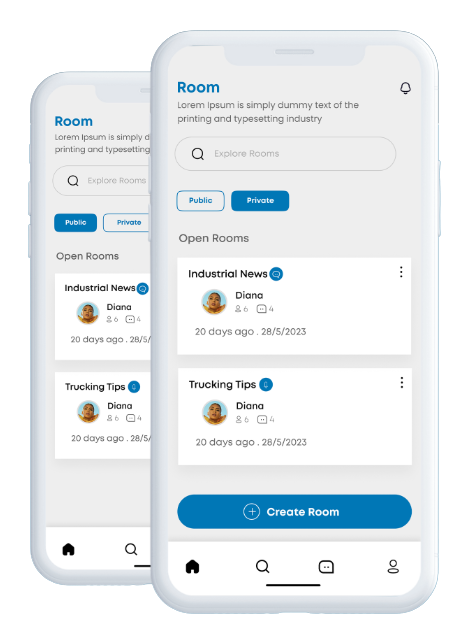
Download the App

Start connecting with other truckers right now. TruckerCircle is completely free and easy to use. All it takes is a few taps to join the only voice-first trucking community designed to keep drivers in touch across the miles.