
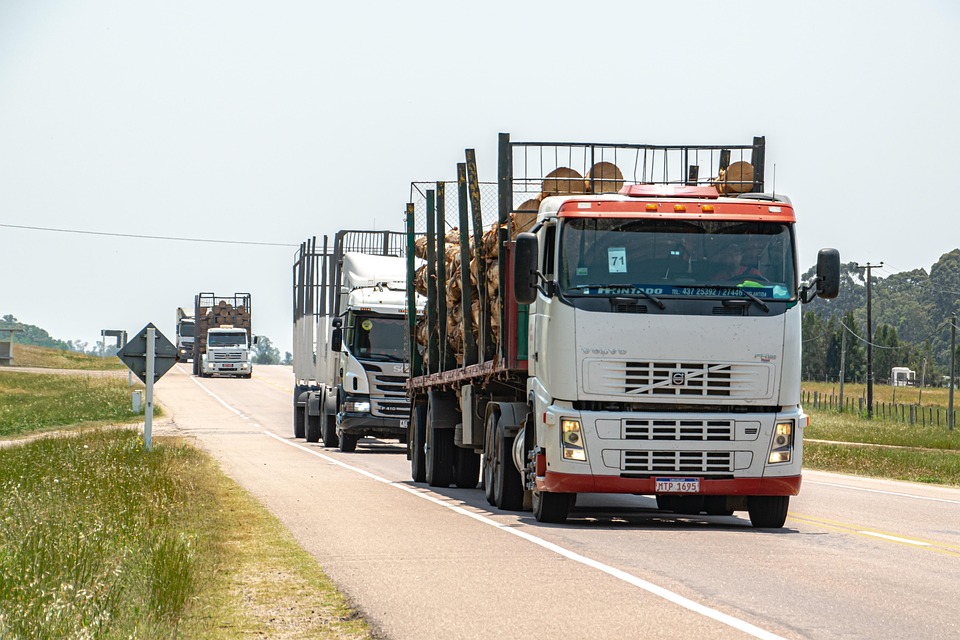
The trucking industry is the backbone of America’s economy. With over 70% of all freight transported by trucks, these modern-day cowboys serve a critical function in ensuring goods are delivered efficiently and reliably. Yet, while the open road offers freedom, it also presents challenges that can hinder success. For truck drivers aiming to carve out a successful career, both as employees and owners/operators, understanding the nuances of the business is vital. Here’s an in-depth exploration of essential business tips every truck driver should consider.
1. Understand the Industry Landscape
Before hitting the road, it’s crucial to understand the broader landscape of the trucking industry. Factors such as fluctuating fuel prices, regulations, and technology advancements can significantly impact operations. For instance, the adoption of electronic logging devices (ELDs) has transformed how truckers manage their hours. Staying informed about such changes can help drivers better navigate their businesses.
Consider resources like the American Trucking Associations (ATA) and industry publications. Engaging in forums or attending conferences can also provide valuable insights into market trends and regulations.
2. Develop a Business Plan
Whether you’re an independent driver or operating a fleet, a solid business plan is essential. This plan should outline your operational strategies, financial projections, and marketing approaches. Key components to address include:
- Target market: Who are your clients? Are you focused on long-haul clients, local deliveries, or specialized freight?
- Budgeting: Outline fixed and variable costs, including vehicle maintenance, insurance, and fuel.
- Growth strategies: How do you intend to grow your business—through partnerships, expanding your fleet, or diversifying services?
The more thorough your plan, the better positioned you’ll be for success.
3. Master Financial Management
Effective financial management is the cornerstone of any successful trucking operation. Many drivers focus on delivering goods and overlook the importance of cash flow management and budgeting. Consider the following tips:
- Keep detailed records: Using accounting software can help track income and expenses seamlessly.
- Fuel management: Develop strategies for fuel efficiency. Regular vehicle maintenance, route optimization, and adopting fuel management apps can minimize costs.
- Prepare for slow periods: Trucking can be cyclical. Having a reserve fund for lean months can keep your operations running smoothly.
4. Invest in Technology
In an industry increasingly driven by technology, staying updated with the latest tools can give you an edge. Consider:
- GPS and navigation apps: Utilize advanced GPS tools to find optimized routes, monitor traffic conditions, and reduce fuel consumption.
- Telematics: This can track vehicle performance and driver behavior, helping to identify areas for improvement and enhance safety.
- Load boards: Use digital platforms to find loads efficiently, reducing downtime and increasing profitability.
Investing in technology not only streamlines operations but can significantly enhance customer satisfaction, leading to repeat business.
5. Network and Build Relationships
Networking is a critical component of success in trucking. Building relationships with shippers, freight brokers, and other industry stakeholders can lead to constant work and preferred rates. Attend industry events, join trucking associations, and connect through platforms like LinkedIn. Remember the power of word-of-mouth; a good reputation is your best marketing tool.
Additionally, customer service should be a priority. Satisfied clients are likely to return and recommend your services to others, ultimately aiding in business growth.
6. Prioritize Safety and Compliance
Safety is paramount in the trucking industry. Not only does it protect lives, but it also shields your business from costly liabilities. Ensuring compliance with federal and state regulations can prevent fines and legal issues. Key aspects to focus on include:
- Regular Vehicle Inspections: Performing daily checks on your truck can prevent bigger issues down the road.
- Driver Training: Continuous training ensures your driving skills remain sharp and up-to-date.
- Staying Informed: Regulations such as hours of service (HOS) should always be a priority in your operations.
7. Work-Life Balance
The trucking life can lead to long hours and time away from home. However, maintaining a work-life balance is vital for long-term success and mental health. Prioritize time management by planning routes, breaks, and leisure time effectively. Making time for family and personal interests can prevent burnout and lead to better performance on the road.
“The trucking business isn’t just about transporting goods; it’s about building a life on the road.” – Anonymous
8. Know When to Expand
As you establish stability in your operations, the temptation to expand can be significant. Knowing when and how to grow is crucial. Signs it might be time to expand include:
- Consistent customer demand that exceeds your current capacity.
- Positive cash flow that allows for the investment in additional vehicles or drivers.
- A robust reputation that attracts potential partnerships or clients.
An expansion is not merely a decision to add more trucks; it requires further planning and an even stronger grasp on financial management.
Conclusion
Success in the trucking industry requires a blend of operational know-how and business acumen. By understanding the industry landscape, developing a solid business plan, mastering financial management, and prioritizing safety, truck drivers can navigate their paths more effectively. The road may be long and winding, but with the right strategies and a focus on continuous improvement, reaching the destination of success is entirely feasible. Safe travels!
Download the App

Start connecting with other truckers right now. TruckerCircle is completely free and easy to use. All it takes is a few taps to join the only voice-first trucking community designed to keep drivers in touch across the miles.


